
Some conversations never end. On March 25, Musée Cognacq-Jay inaugurates Revealing the Feminine: Fashion and Appearance in the 18th Century, a landmark exhibition created in collaboration with Palais Galliera to bring together portrait paintings, galant scenes and historical textile pieces from the Age of Enlightenment.
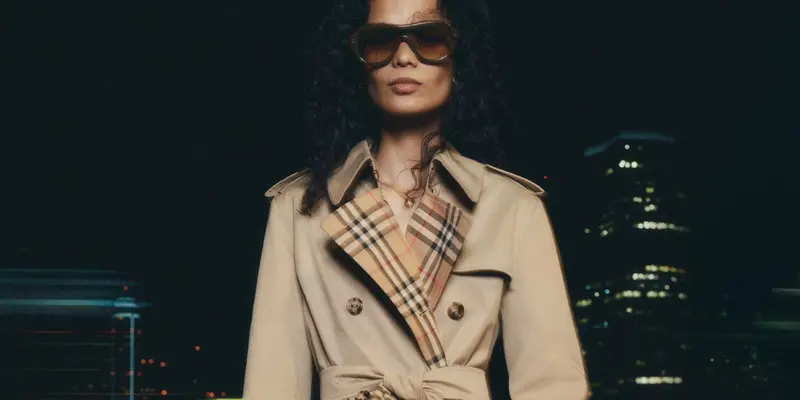
Running until September 20, 2026, it is one of the most compelling cultural events in Paris this year. And the angle is one fashion lovers will immediately recognize: the visual language of femininity that Photographer Steven Meisel is shooting in 2026 was invented by Painter Élisabeth Vigée Le Brun in 1780. This Exhibition puts them in the same room and lets you decide if anything has really changed.
How 18th-Century Painters Invented the Fashion Image
In the 18th century, fashion became a language. What you wore announced your rank, your power and your desire to exist in the world. And it was the great portrait painters of the Age of Enlightenment who turned that language into art. Painters Maurice Quentin de La Tour, Jean-Marc Nattier, Adélaïde Labille-Guiard and Élisabeth Vigée Le Brun excelled at a double exercise: rendering the brilliance of fabrics and jewels with virtuosity while simultaneously revealing the psychological depth of their subjects. A portrait was a constructed image of a woman in full control of how the world saw her. Sound familiar?
The Exhibition's most striking move is placing the actual garments from Palais Galliera's collections directly opposite the paintings in which they appear. Embroidered satin, shimmering taffeta, whalebone corsets and elaborate headdresses face the canvases that immortalized them. And standing in front of Painter Maurice Quentin de La Tour's 1742 Portrait of Madame la Présidente de Rieux, dressed for a ball and holding a mask, it becomes impossible to see it as anything other than a fashion photograph shot 280 years too early.

From Boucher and Watteau to Steven Meisel
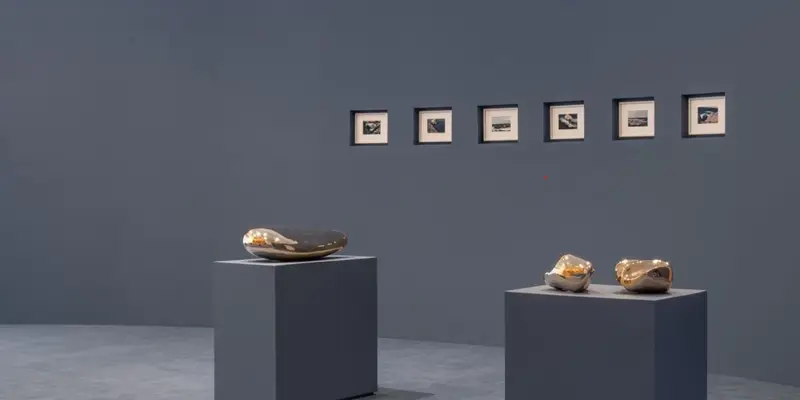
But the Revealing the Feminine Exhibition does not stop at the 18th century. The Exhibition closes with a contemporary counterpoint that is worth the visit alone. Photographs by Photographer Steven Meisel, Esther Ségal and Valérie Belin sit alongside a Chanel creation by Designer Karl Lagerfeld, tracing the persistence of 18th century codes in fashion today. The pastoral fantasies of Painter François Boucher and the galant celebrations of Painter Antoine Watteau, scenes that constructed an idealized, poetic femininity for the aristocracy of Versailles, are still shaping the way fashion photographs women today. And Meisel inherited this dream.
Two Museums, One Conversation
Move between representation and reality, between the painted image and the physical object, between the 18th century and the present. And Paris, which established itself as the epicenter of European taste and elegance during this very period, turns out to be the only city in the world where an exhibition like this makes complete sense.
And if this Exhibition opens up a deeper appetite for 18th-century fashion, the companion exhibition at Palais Galliera, 18th-Century Fashion: A Fantasized Heritage, running until July 12, is a perfect next visit.