Some summer plans write themselves. This one starts with a flute of Blanc de Blancs, a morning drive through the chalky hills of Champagne, and the sight of a monumental wooden structure rising against the pale French sky. This summer, Reims gives you a reason to go beyond the cellar tour. Ruinart, the oldest Champagne Maison in the world founded in 1729, hands its 2026 carte blanche to Tadashi Kawamata, the acclaimed Japanese artist born in Hokkaido and living between Tokyo and Paris. The result is a trio of permanent outdoor installations at 4 Rue des Crayères, a site that has just been completely reimagined and now stands as one of the most quietly spectacular addresses in all of France. Think UNESCO-listed cellars, a freshly transformed garden, and a contemporary pavilion conceived by Pritzker Prize-winning architect Sou Fujimoto. Kawamata brings his towering, tactile poetry to all of it, and the works opening this summer are built to stay.
This is Ruinart's ongoing series called Conversations with Nature, a program that has seen the Maison collaborate with artists including Alphonse Mucha, Eva Jospin, NILS-UDO and Tomás Saraceno. Each edition invites a contemporary creator to respond to the Champagne landscape in a way to deepen our relationship to the living world. Kawamata's response is characteristically physical, spatial and quietly breathtaking.
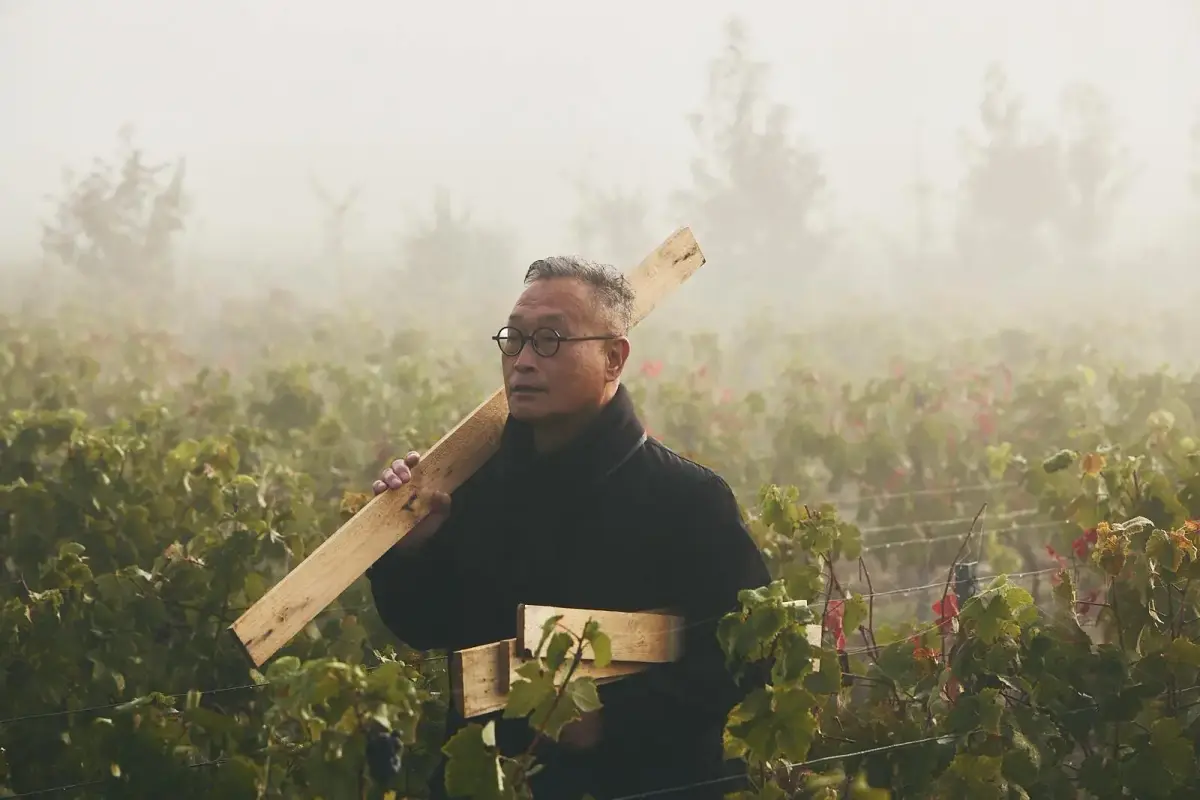
Kawamata Builds You a New Way to See Champagne
Tadashi Kawamata makes structures that feel impossible until you are standing inside them. Working almost exclusively with recycled wood and repurposed furniture, he constructs walkways, shelters and observation points that perch between ground and sky, inviting you to climb, circulate and look at the world from an angle you have never tried before. His materials carry memory. The grain of the wood, the weight of past use, the possibility of new purpose. At 4 Rue des Crayères, that vocabulary finds its most lyrical setting yet.
When Kawamata first visited the vineyards and explored the transformed estate, he was struck immediately by what he calls the porosity of the place. The morning mist rolls in off the vines. Humidity settles into the chalk. Leaves catch the wind. Birds trace slow arcs overhead. He describes the site as extraordinarily alive with small, constant vibrations, and his three works are designed to make you feel every single one of them.
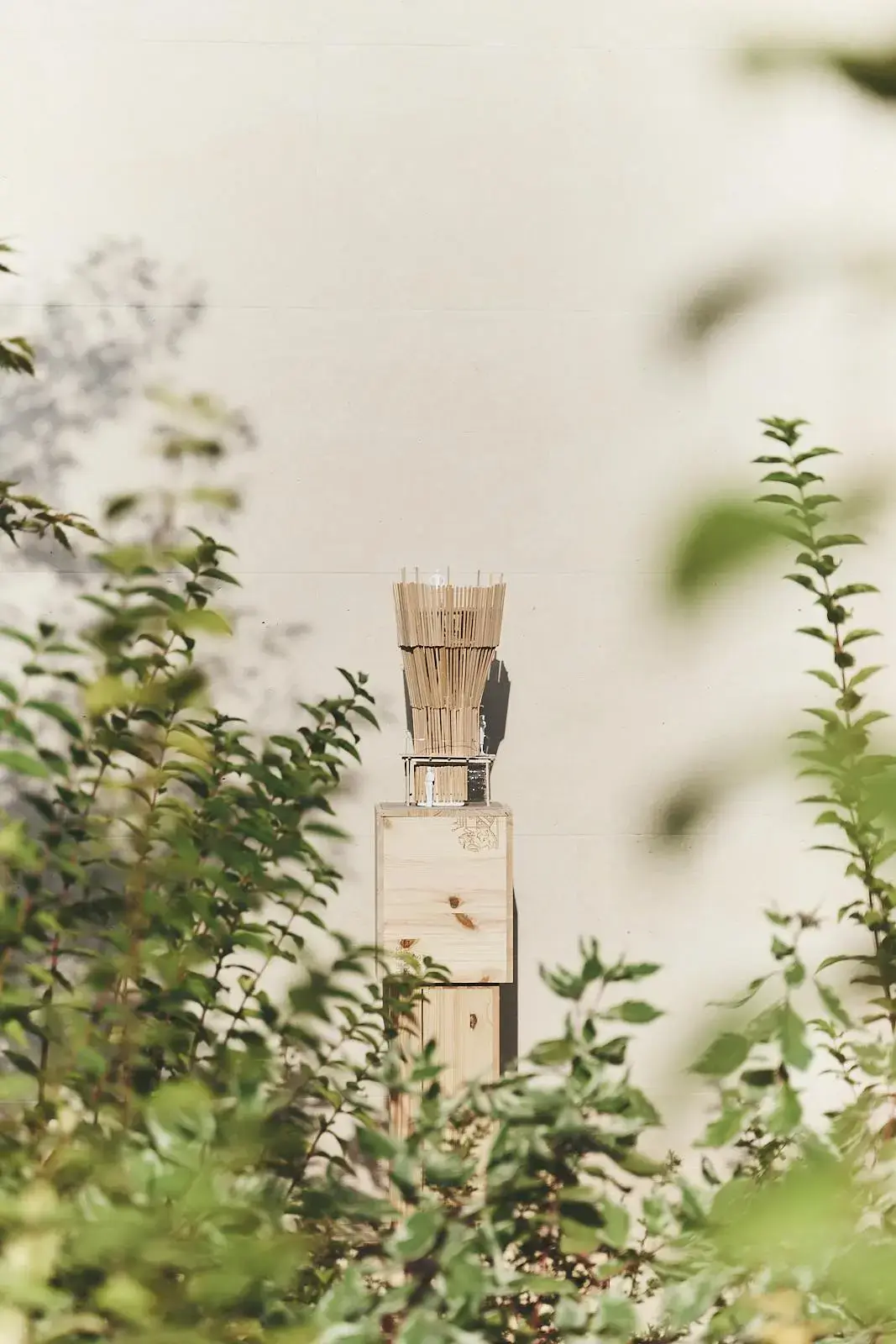
Cabane, Nid and Observatoire each function as a sensitive instrument for experiencing the landscape. You ascend. The ground falls away. The scale shifts. And suddenly you are perceiving the Champagne countryside the way a bird does, or the way someone who has spent a lifetime watching clouds might. Kawamata puts it simply: at this height, you feel the passage of time. These works are permanent, which means they will be there whenever you choose to make the trip. And summer, when the vines are full and the light is long, is the moment to go.
The Estate Rewards an Entire Afternoon of Wandering
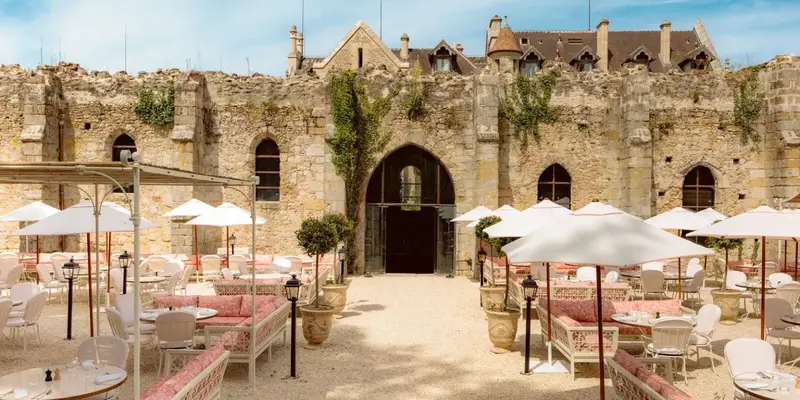
Plan to arrive early and stay long. The 4 Rue des Crayères estate is a destination in its own right, and its current form represents a major transformation. Sou Fujimoto's contemporary pavilion sits at the heart of the site, a structure that feels organic and almost geological against the landscape. The garden surrounding it has been entirely reimagined, layered with intention and designed to change with the seasons. Beneath it all, the UNESCO-listed cellars carved into the chalk, the crayères that give the address its name, hold centuries of Champagne history and an atmosphere unlike anything above ground.
Ruinart has always believed that art makes nature more intelligible. Walking through this estate this summer, with Kawamata's installations rising from the earth and the vines stretching toward the horizon, that belief becomes something you feel rather than simply understand. Take your time. Look up often. Let the light change around you.
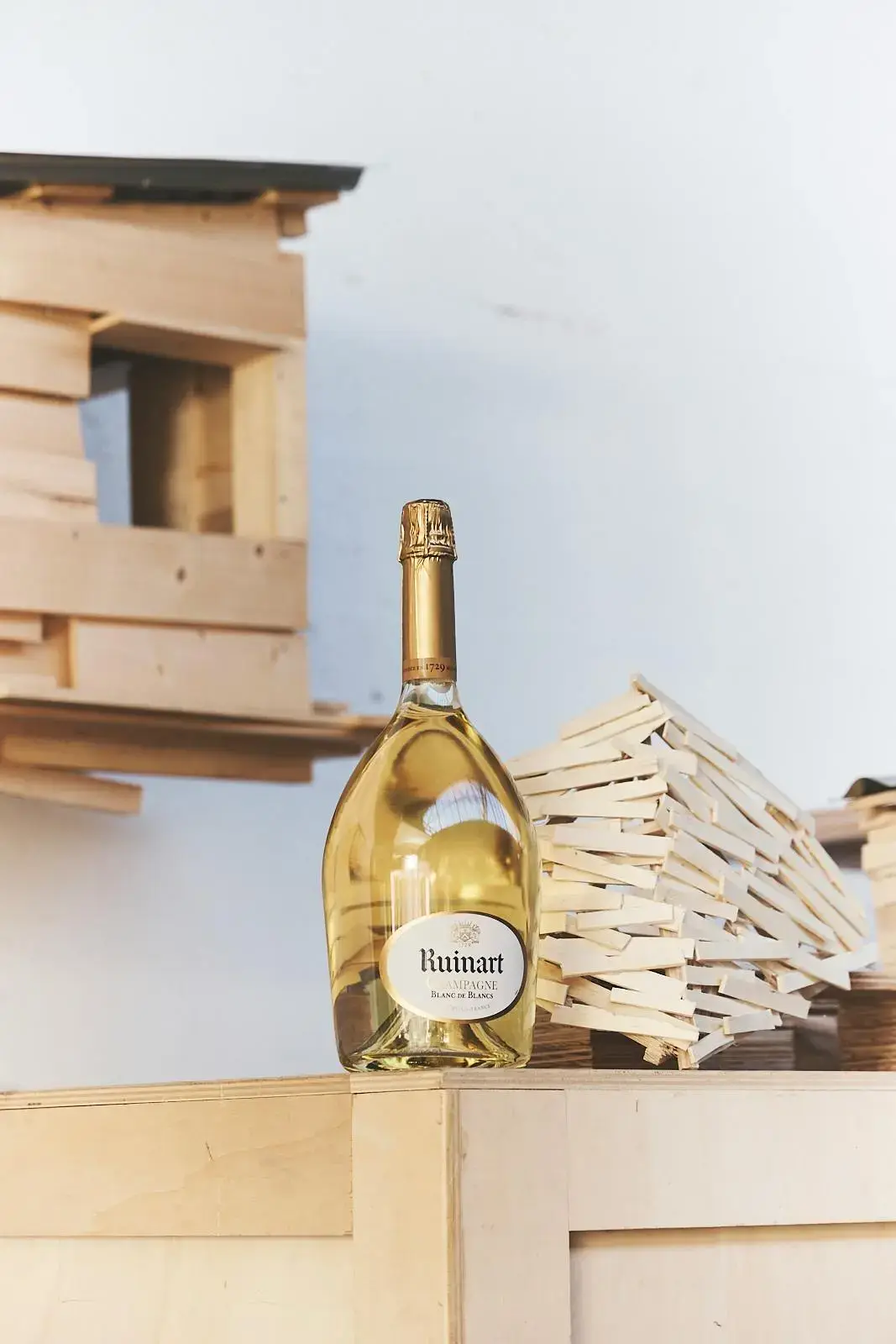
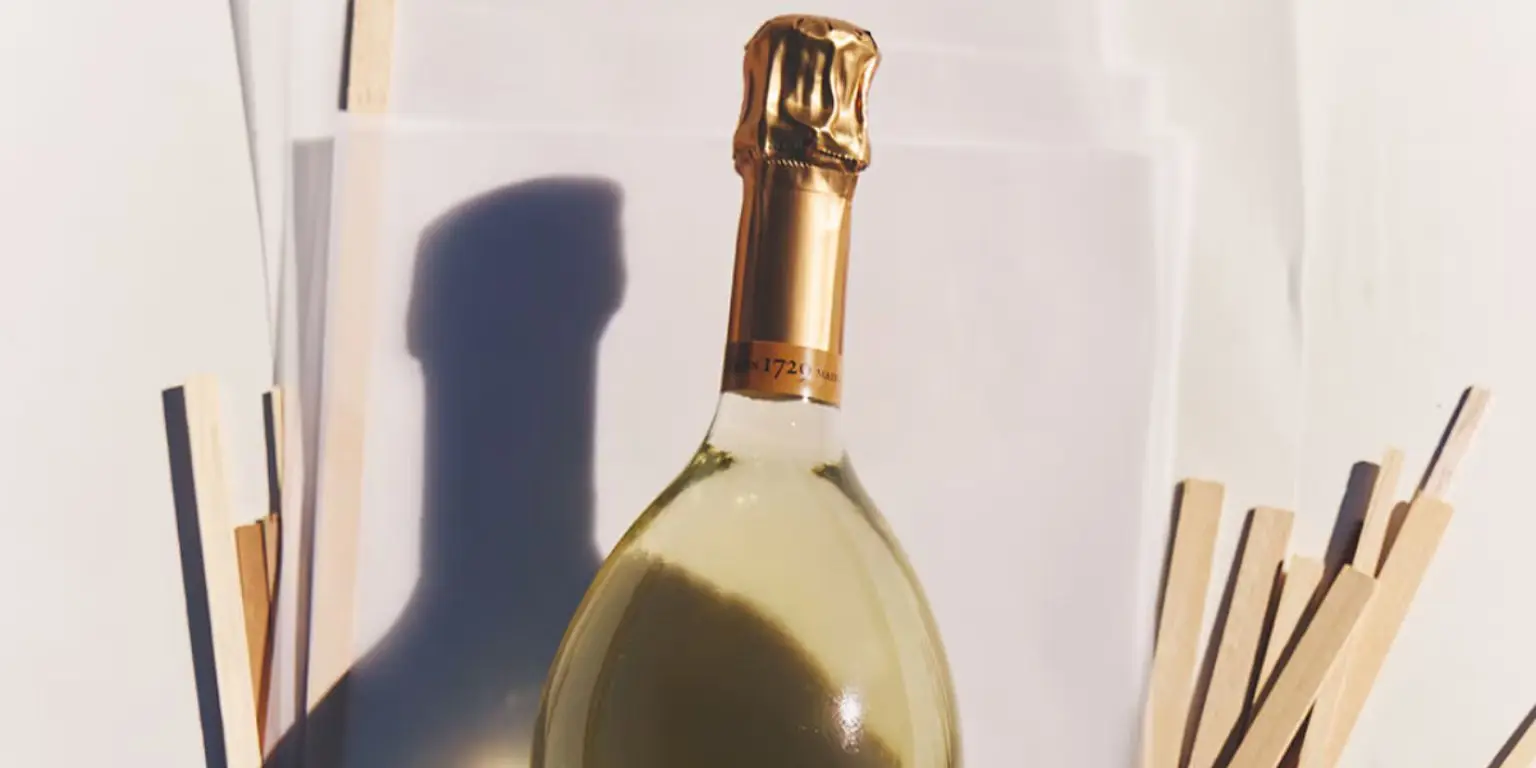
Before you leave, seek out the limited-edition Jéroboam of Ruinart Blanc de Blancs that Kawamata designed as part of this collaboration. He approached the sculptural case the way he approaches his in situ works, testing tensions and balances in miniature before deploying them at monumental scale. The result is a bottle that belongs on a shelf the way a great object of design does: permanently, proudly, and as a reminder of a summer afternoon in Champagne you will carry with you for years.